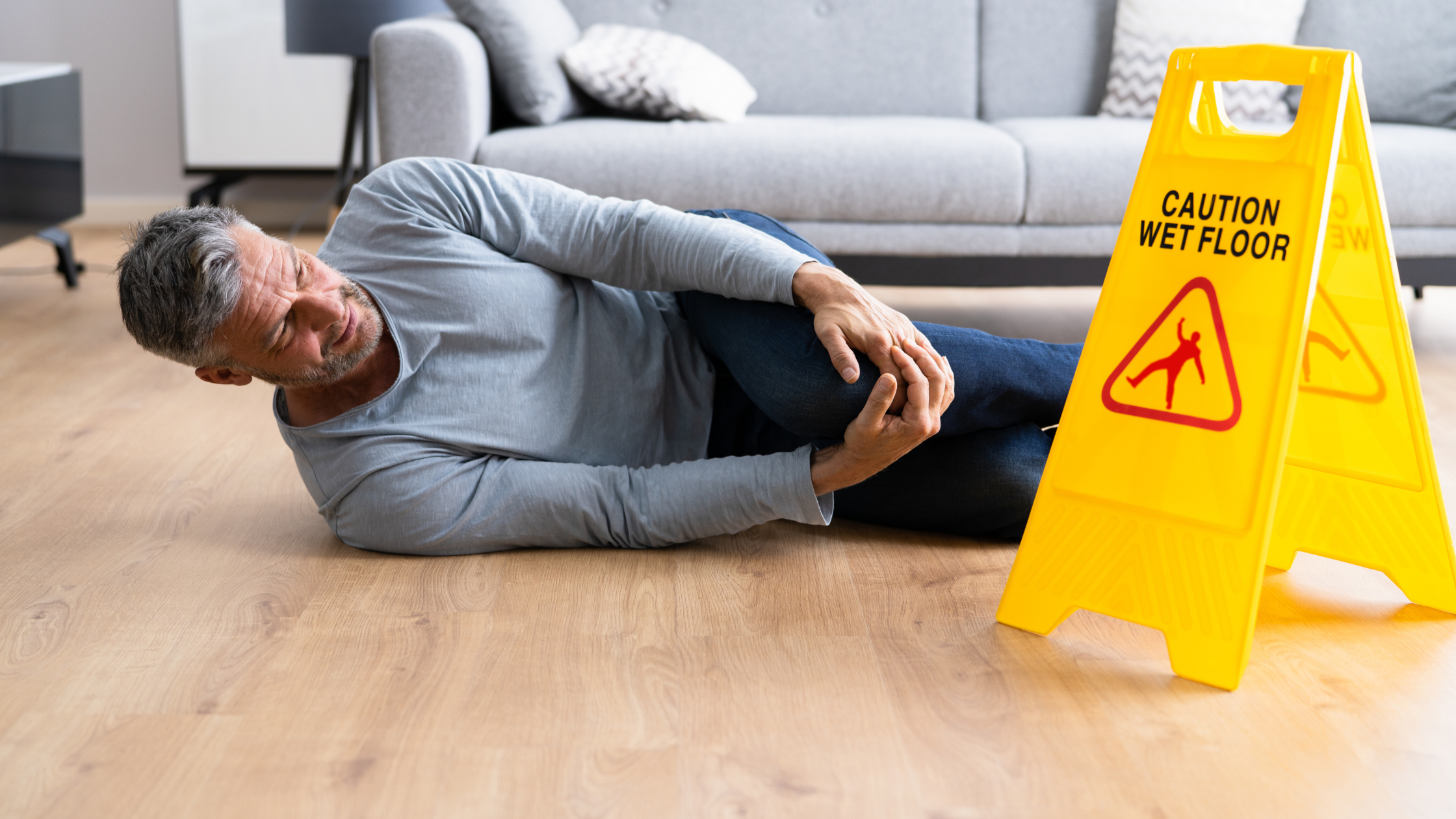
A slip-and-fall accident can happen in seconds, but the consequences can last for months or even years. Whether you slipped on a wet floor at a grocery store, tripped over a hazard in a retail shop, or fell due to unsafe conditions in a public place, knowing what to do next can make a significant difference in both your recovery and your ability to pursue compensation.
Unfortunately, many people underestimate the seriousness of a slip-and-fall injury or fail to take the proper steps immediately after an accident. As a result, valuable evidence can disappear, and legitimate injury claims can become more difficult to prove.
If you’ve been injured in a slip and fall accident, here’s a step-by-step action plan to help protect your health and your legal rights.
Step 1: Seek Medical Attention Immediately
Your health should always be your first priority.
Even if you believe your injuries are minor, it’s important to seek medical treatment as soon as possible. Many injuries commonly associated with slip and fall accidents—including concussions, back injuries, neck injuries, and soft tissue damage—may not fully appear until hours or days after the incident.
Prompt medical treatment helps:
- Protect your health
- Identify hidden injuries
- Create medical documentation
- Establish a connection between the accident and your injuries
Insurance companies often look for gaps in treatment when evaluating a slip-and-fall injury claim, so seeking immediate medical care is critical.
Step 2: Report the Accident
If your fall occurred in a store, restaurant, shopping center, hotel, or other business, report the incident to a manager or supervisor immediately.
Ask that an incident report be completed and request a copy if possible.
When making the report:
- Stick to the facts
- Explain where the fall occurred
- Describe the hazardous condition
- Avoid guessing about the fault
- Do not minimize your injuries
Reporting the accident creates an official record that may become important evidence later.
Step 3: Take Photos and Videos of the Scene
One of the most important things you can do after a slip-and-fall accident is document the scene before conditions change.
Take photos or videos of:
- Wet floors
- Spilled liquids
- Uneven sidewalks
- Broken flooring
- Poor lighting
- Missing warning signs
- Ice or snow accumulation
- Any visible injuries
Hazards are often cleaned up or repaired shortly after an accident. Without photographs, proving the dangerous condition existed can become much more difficult.
Step 4: Gather Witness Information
If anyone witnessed your fall, ask for their:
- Name
- Phone number
- Email address
Witness statements can help establish:
- How the accident occurred
- How long has the hazard existed
- Whether employees knew about the dangerous condition
- The severity of your injuries immediately after the fall
Independent witnesses often provide valuable evidence in a premises liability claim.
Step 5: Preserve the Clothing and Shoes You Were Wearing
Many people don’t realize that their clothing and footwear may become evidence.
Do not wash, alter, or throw away:
- Shoes
- Clothing
- Jackets
- Bags or personal items involved in the fall
These items may help demonstrate how the accident occurred and may be examined if liability is disputed.
Step 6: Avoid Giving Recorded Statements
After a slip-and-fall accident, an insurance company representative may contact you and request a recorded statement.
While they may seem helpful, remember that insurance companies are looking for information that could reduce or deny your claim.
Before providing a recorded statement:
- Understand your rights
- Be cautious about discussing injuries
- Avoid speculation
- Consider speaking with a personal injury attorney
A simple statement taken out of context can negatively affect your case.
Step 7: Keep Detailed Records
Documentation is one of the strongest tools available in any slip-and-fall injury claim.
Keep copies of:
- Medical records
- Medical bills
- Prescription expenses
- Physical therapy records
- Lost wage documentation
- Accident reports
- Photographs
- Correspondence with insurance companies
The more documentation you have, the easier it becomes to demonstrate the full impact of your injuries.
Step 8: Be Careful About Social Media
Many people unknowingly damage their claims by posting on social media after an accident.
Insurance companies often review social media accounts looking for posts that can be used to challenge injury claims.
Avoid posting:
- Photos of activities
- Vacation pictures
- Comments about the accident
- Updates about your injuries
- Statements suggesting you have recovered
Even innocent posts can be taken out of context and used against you.
Step 9: Understand Premises Liability
Slip and fall cases fall under an area of law known as premises liability.
Property owners have a legal responsibility to maintain reasonably safe conditions for visitors.
Examples of negligence may include:
- Wet floors without warning signs
- Unrepaired flooring defects
- Poor lighting
- Broken handrails
- Snow and ice hazards
- Unsafe walkways
To recover compensation, it is often necessary to show that the property owner knew—or should have known—about the dangerous condition and failed to address it.
Step 10: Contact a Slip and Fall Lawyer
Slip-and-fall cases can be more complicated than many people realize.
Property owners and insurance companies frequently argue that:
- The hazard was obvious
- The injured person was not paying attention
- The property owner was unaware of the condition
- The injuries were pre-existing
An experienced slip-and-fall lawyer in Connecticut can help:
- Investigate the accident
- Preserve evidence
- Obtain surveillance footage
- Interview witnesses
- Handle insurance negotiations
- Pursue maximum compensation
The sooner an attorney becomes involved, the easier it is to protect critical evidence.
What Compensation May Be Available After a Slip and Fall Accident?
Depending on the circumstances, a successful slip and fall injury claim may include compensation for:
- Medical expenses
- Future medical treatment
- Lost wages
- Reduced earning capacity
- Pain and suffering
- Emotional distress
- Permanent disability
- Loss of enjoyment of life
Every case is unique, and the value of a claim depends on the severity of the injuries and other factors.
Don’t Wait to Protect Your Rights
Evidence in a slip-and-fall accident can disappear quickly. Surveillance footage may be erased, witnesses may become difficult to locate, and dangerous conditions may be repaired within hours of the incident.
Taking the right steps immediately after a fall can significantly improve your ability to recover compensation.
If you have been injured in a store, restaurant, shopping center, parking lot, or other public place, the experienced team at Cantor Injury Law Firm can help you understand your legal options and protect your rights.
Contact us today for a free consultation and learn how we can help you pursue the compensation you deserve after a slip and fall injury.